

Is Consultation Fee Applied to Eyelid Surgery?
For patients considering eyelid surgery, the question is consultation fee applied to the procedure is more than a pricing detail. It helps define whether the consultation is simply an appointment or the first step in a carefully planned surgical decision. When surgery is performed around the eyes, a thorough evaluation has real value: it allows the surgeon to assess eyelid function, brow position, eye health, facial balance, and the changes most likely to produce a natural-looking result.
A paid cosmetic consultation may be applied toward surgery when a patient moves forward within the practice's stated terms. That approach recognizes that a focused evaluation is part of the treatment process, not a quick sales conversation. Still, cosmetic and functional eyelid concerns follow different financial pathways, so it is wise to understand the distinction before scheduling.
Is a consultation fee applied to surgery?
For cosmetic eyelid procedures, Denver Eyelid Specialists applies the paid consultation fee toward surgery for patients who decide to proceed. The consultation is designed to provide individualized surgical guidance, not a one-size-fits-all recommendation. Dr. Chris Thiagarajah evaluates the anatomy around the eyes and discusses which option, if any, best addresses the concern.
That credit is most relevant for elective procedures such as upper blepharoplasty for hooded lids, lower blepharoplasty for under-eye bags, browpexy or brow lifting for brow descent, and cosmetic ptosis correction. A patient may arrive asking for excess upper-lid skin removal, for example, but an examination can show that a low brow or true eyelid ptosis is contributing more significantly to the heavy appearance. Treating the wrong structure can lead to a result that feels incomplete or overdone.
The consultation fee supports the time and expertise needed to make that distinction. If surgery is selected, applying the fee toward the procedure helps keep the process straightforward. Patients should confirm the current credit policy, timing requirements, and whether it applies to their specific treatment plan when they schedule, since policies can change.
What a specialized eyelid consultation covers
Eyelid surgery is not simply skin removal. The eyelids protect the eye, distribute tears, and contribute substantially to expression. Even small changes in skin, muscle, fat, tendon position, or brow support can affect both appearance and function.
During a cosmetic consultation, the discussion generally begins with what you see in the mirror and what you hope will change. You may describe lids that look heavy in photographs, puffiness that makes you appear tired despite good sleep, makeup that disappears under upper-lid skin, or a lower-eye contour that no longer reflects how energetic you feel. Those concerns matter, but they are considered alongside a detailed physical examination.
A dedicated eyelid surgeon evaluates skin excess, the position of the eyelid margin, the shape of the eye, lower-lid support, tear-film symptoms, brow position, and the relationship between the eyelids and the rest of the face. Past eye surgery, dry eye, thyroid eye disease, contact lens use, medications, and medical conditions can also influence planning and recovery.
This level of assessment is especially valuable in revision cases. A patient who has had prior eyelid surgery may have scar tissue, altered support, hollowness, asymmetry, or difficulty closing the eyes. Revision surgery requires a conservative plan with a clear understanding of what tissue remains and what changes can be made safely.
The goal is not to create an identical eye shape for every patient. It is to preserve expression, respect individual and cultural features, and develop a plan that looks refined rather than visibly operated on.
Cosmetic consultation fees versus insurance coverage
A consultation credit for cosmetic surgery and insurance coverage for functional eyelid treatment are separate issues. Cosmetic procedures are typically cash-pay because they are performed to improve appearance rather than address a documented medical impairment. The consultation fee may be applied to the elective surgical cost according to the practice's policy, but it does not mean an insurance plan will cover the procedure.
Functional eyelid conditions can be different. Ptosis, or a drooping upper eyelid, may obstruct the upper field of vision. Significant upper-lid skin excess can also interfere with sight in some patients. When symptoms, examination findings, photographs, and formal visual-field testing meet insurer requirements, treatment may qualify for coverage.
Qualification is never automatic. Each insurer has its own medical-necessity criteria, documentation rules, deductibles, copays, and authorization requirements. A person can have a genuine functional complaint and still not meet the plan's threshold for coverage. Conversely, a patient may qualify for functional upper-eyelid surgery while choosing an additional cosmetic procedure that remains self-pay.
A common example is someone with visual obstruction from heavy upper lids who also wants lower-eyelid bags treated. The upper-lid procedure may be evaluated through insurance if it meets criteria, while lower blepharoplasty is generally cosmetic. Separating these components early helps prevent surprises and allows the surgical plan to be built around both safety and priorities.
Why the fee should not be the only deciding factor
It is reasonable to compare consultation costs. It is also reasonable to ask whether the fee will be credited if you proceed. But price alone does not reflect the quality of an eyelid evaluation.
Surgery near the eye requires an understanding of ocular anatomy and eyelid mechanics as well as facial aesthetics. An overly aggressive upper blepharoplasty can make lids appear hollow or make closure more difficult. Excessive lower-lid skin removal can change lid position. A procedure that addresses only surface skin may not correct a low brow or a weak eyelid-opening muscle.
For patients in Denver and across the Front Range who spend time outdoors, work in professional settings, and want to look rested without looking altered, these details matter. The best surgical recommendation may be a smaller procedure than expected, a staged approach, or no surgery at all. A careful consultation should make room for that answer.
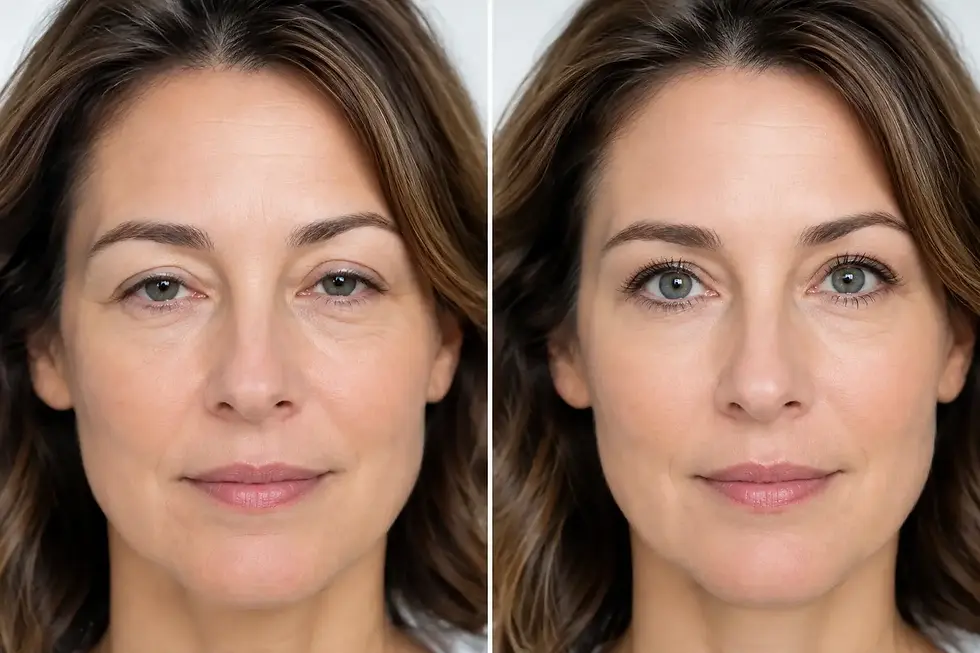
The value of the visit also comes from clear expectations. You should leave understanding what the proposed procedure can improve, what it will not change, how recovery is likely to unfold, and which risks deserve particular attention in your case. Before-and-after photographs may help establish a realistic visual reference, but your anatomy and healing response remain individual.
Questions to ask before scheduling
A few direct questions can clarify the financial and clinical side of your appointment. Ask whether the consultation is cosmetic, functional, or potentially both; whether the fee can be applied toward surgery; and what timeframe or conditions apply to that credit. If you are concerned about vision obstruction, ask what testing and documentation may be needed for an insurance review.
You can also ask who performs the examination, whether the surgeon will discuss alternatives to surgery, and how the practice approaches dry eye, asymmetry, prior eyelid procedures, or brow descent. These are not minor details. They help reveal whether the recommendation is based on the actual cause of your concern.
For a cosmetic procedure, request a clear estimate that distinguishes the surgeon's fee, facility charges, anesthesia, and any follow-up care included in the plan. Starting prices can be useful for initial planning, but a final quote should reflect the complexity of your procedure and whether more than one area is being treated.
A consultation is part of protecting your result
The question of whether a consultation fee is applied deserves a clear answer, but the more meaningful question is what the consultation helps you avoid. Around the eyes, thoughtful planning can prevent an operation that addresses the wrong problem, asks too much of delicate tissue, or produces a result that no longer feels like you.
Choose a consultation that gives you time to be heard, a precise explanation of your options, and a plan built around safe eyelid function and natural facial character. That is where a well-considered result begins.


Comments