

YOUR GUIDE TO EYELID SURGERY
Upper Blepharoplasty
in Denver.
Remove excess upper eyelid skin and restore a more open-refreshed look
with Natural looking results from a fellowship trained oculoplastic surgeon in Denver
Chris Thiagarajah, MD · Board-certified ophthalmologist
ASOPRS fellowship-trained oculoplastic surgeon
12,000+
Eyelid procedures performed
10x
5280 Top Doctor (2017-2026)
ASOPRS
Fellowship Trained

40-60 Minutes
Procedure Time

Local Anesthesia
Comfortable and Safe

In Office Option
For many patients

7-10 Days
Initial Recovery

Natural
Individualized Plan
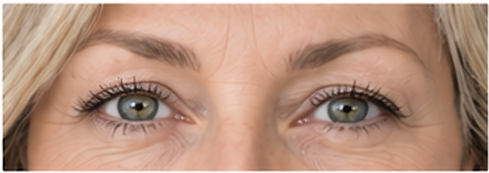
What is Upper Blepharoplasty?
Upper Blepharoplasty is a precise surgical procedure that removes carefully measured excess skin from the upper eyelid to create a more open rested appearance. The incision is placed within the natural eyelid crease and in some cases, selective fat is adjusted to improve contour and create a smoother eyelid platform. The goal is a natural refreshed look - not a different expression.
Is it Loose skin, Ptosis or a Low Eyebrow?
Upper Eyelid Heaviness can have different causes. A careful examination can help determine your needs.
Blepharoplasty treats excess skin and fat. Ptosis repair raises the eyelid margin Eyebrow surgeries elevate the eyebrow. Some patients benefit from a combination of these procedures.

Excess Skin
Excess upper eyelid skin can create a hooded appearance make you look tired even when you feel well.

True Ptosis
Ptosis of the eyelid muscle is due to weakening or stretching of the eyelid muscle and requires a different procedure.

Brow Descent
A low eyebrow position can contribute to excess skin appearance but is treated with eyebrow lifting techniques.
Benefits of Upper Eyelid Surgery
Hooding
Reduces excess skin that creates a hooded effect
Heavy or Tired Appearance
You look more awake and refreshed
Reduced Eyelid Show
Restores a more visible eyelid crease, eyelid platform and visible upper eyelid.
Makeup Difficulty
Makes it easier to apply eye makeup and can improve peripheral vision in certain functional cases


Risks and Eye Surface Safety
As with any surgery, there are risks. These can include temporary dryness, irritation, bruising, asymmetry, visible scars, infection, bleeding, and, rarely, changes in vision.
A thorough eye-surface evaluation is performed to minimize risk and support healing. Oculoplastic Surgeons are trained to evaluate you to reduce those risks as much as possible
Upper Blepharoplasty Cost
Cosmetic upper blepharoplasty performed in the office under local anesthesia is approximately $3,550 for both eyes. Your personalized surgical plan and exact cost will be reviewed during your consultation.
When drooping eyelids significantly interfere with vision, insurance may cover part of the procedure if specific examination, photography, and visual-field requirements are met. Cosmetic surgery is not covered by insurance.
Cosmetic or Functional?
Upper blepharoplasty may be cosmetic, functional, or a combination of both. Cosmetic surgery is performed primarily to improve appearance, while functional surgery addresses eyelid skin or ptosis that significantly interferes with vision.
Insurance coverage depends on your examination, photographs, visual-field testing, symptoms, and the specific requirements of your insurance plan. Not everyone with heavy upper eyelids will meet the criteria for functional coverage.

Why Denver patients choose Dr Thiagarajah
Dr. Chris Thiagarajah is a board-certified ophthalmologist and ASOPRS fellowship-trained oculoplastic surgeon with experience performing more than 12,000 eyelid procedures. He is known for a conservative, natural-results philosophy and is proud to care for patients in Greenwood Village, the Denver Tech Center, and throughout the Denver area.
✓ Board-certified
✓ ASOPRS fellowship-trained oculoplastic surgeon
✓ More than 12,000 eyelid procedures
✓ Conservative, natural-looking results
✓ Convenient Greenwood Village / DTC location
Upper Blepharoplasty Recovery
Day 0-2
Mild swelling bruising and tightness. Rest and keep head elevated
Day 3-5
swelling and bruising begin to improve
Day 6-7
Most people can begin to return to function
Week 3
Patients start returning to social functions with friends and family
Month 3
Swelling and bruising almost gone. Most patients feel healed