

YOUR GUIDE TO EYELID SURGERY
Blepharoplasty
in Denver.
Refreshed. Still you.
Natural-looking cosmetic and functional eyelid surgery from Chris Thiagarajah, MD—a board-certified, fellowship-trained oculoplastic surgeon focused on the delicate anatomy around your eyes.
Chris Thiagarajah, MD · Board-certified ophthalmologist
ASOPRS fellowship-trained oculoplastic surgeon
12,000+
Eyelid procedures performed
ASOPRS
Fellowship-trained specialist
Board-Certified
American Board of Ophthalmology
Denver / DTC
Care in Greenwood Village
UNDERSTANDING BLEPHAROPLASTY
A more rested appearance.
A plan that is yours.
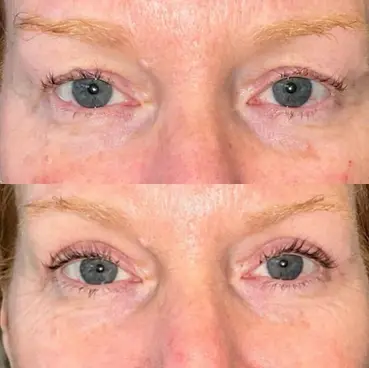
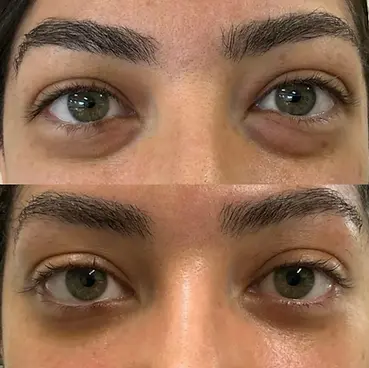
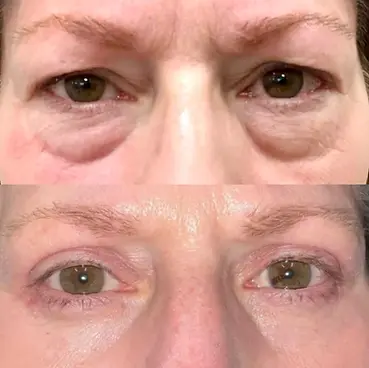
Blepharoplasty is surgery that removes or repositions selected skin, fat and sometimes muscle in the upper or lower eyelids. It may address hooded upper lids, under-eye bags or changes in eyelid contour.
The right approach starts with identifying the cause. Excess skin, a low eyelid edge and a descended brow can look similar, but may need different treatments.
Preserving eye comfort, eyelid function and your natural expression matters as much as appearance.

EXPLORE YOUR OPTIONS
Which eyelid concern brings you here?
Start with the area you would like to improve. A consultation helps determine whether upper, lower or combined surgery fits your anatomy.




Sometimes the concern goes beyond extra skin.
A concern surgery can address
Anatomy, rather than age alone, determines the treatment options.
A concern surgery can address
Anatomy, rather than age alone, determines the treatment options.
A concern surgery can address
Anatomy, rather than age alone, determines the treatment options.
A concern surgery can address
Anatomy, rather than age alone, determines the treatment options.
YOUR QUESTIONS TO A CLEAR PLAN
What your care journey can look like
01
Evaluate & understand
Discuss your goals and medical history. Dr. Thiagarajah evaluates your eyelids, brows and eye health, and explains which concerns surgery may address.
02
Personalize the approach
Review the proposed procedure, setting, anesthesia, fees, risks and alternatives. Upper-lid incisions generally follow the crease; lower-lid approaches vary.
03
Recover with guidance
Receive instructions for care at home and follow-up appointments. Arrange a ride home and support as advised, and plan time away from strenuous activity.
MAKE ROOM FOR RECOVERY
Healing happens in stages.
This is a general planning guide. Your procedure and recovery may differ, and your surgeon’s instructions take priority.
Day 0–2
Rest & protect
Expect swelling, bruising or tightness. Follow the prescribed eye-care plan and arrange help at home.
Week 1
Early healing
Swelling and bruising can remain noticeable. Attend the scheduled review and avoid strain as instructed.
Week 2
Ease back in
Some patients resume desk work. Ask when driving, makeup and contact lenses are appropriate.
Week 3
More comfortable
Social activities may feel easier as visible changes settle. Continue activity restrictions until cleared.
Month 1
Continued settling
Residual swelling or pink incision lines may remain. Exercise should resume only as advised.
Month 3+
Refining results
Subtle swelling and scars may continue to change for several months. Keep follow-up appointments.
COSTS & INSURANCE
A clear estimate.
Before you decide.
The cost depends on whether you need upper, lower or combined surgery, the surgical setting, anesthesia and any related procedures. Ask for an itemized quote explaining what is included.
Surgeon’s fee
Based on your procedure
Facility & anesthesia
Depends on the setting
Consultation
Confirm when booking
The team can explain current consultation fees, credit policies and any insurance-related costs before your visit.
RISKS & CONSIDERATIONS
An informed decision
includes the risks.
No operation is risk-free. Your discussion should include alternatives, including choosing not to have surgery, and the risks relevant to your eyes and health.
Bleeding or infection
Asymmetry or visible scars
Changes in eyelid position
Anesthesia-related problems
Dryness or irritation
Difficulty closing the eyes
Possible revision surgery
Rare vision loss
Blepharoplasty may not correct all dark circles, wrinkles or causes of a tired appearance. Expected benefits and limitations should be discussed before treatment.
START WITH THE RIGHT DIAGNOSIS
Considering eyelid surgery?
Let’s talk about your eyes.
Prefer to text? Send us a message →