
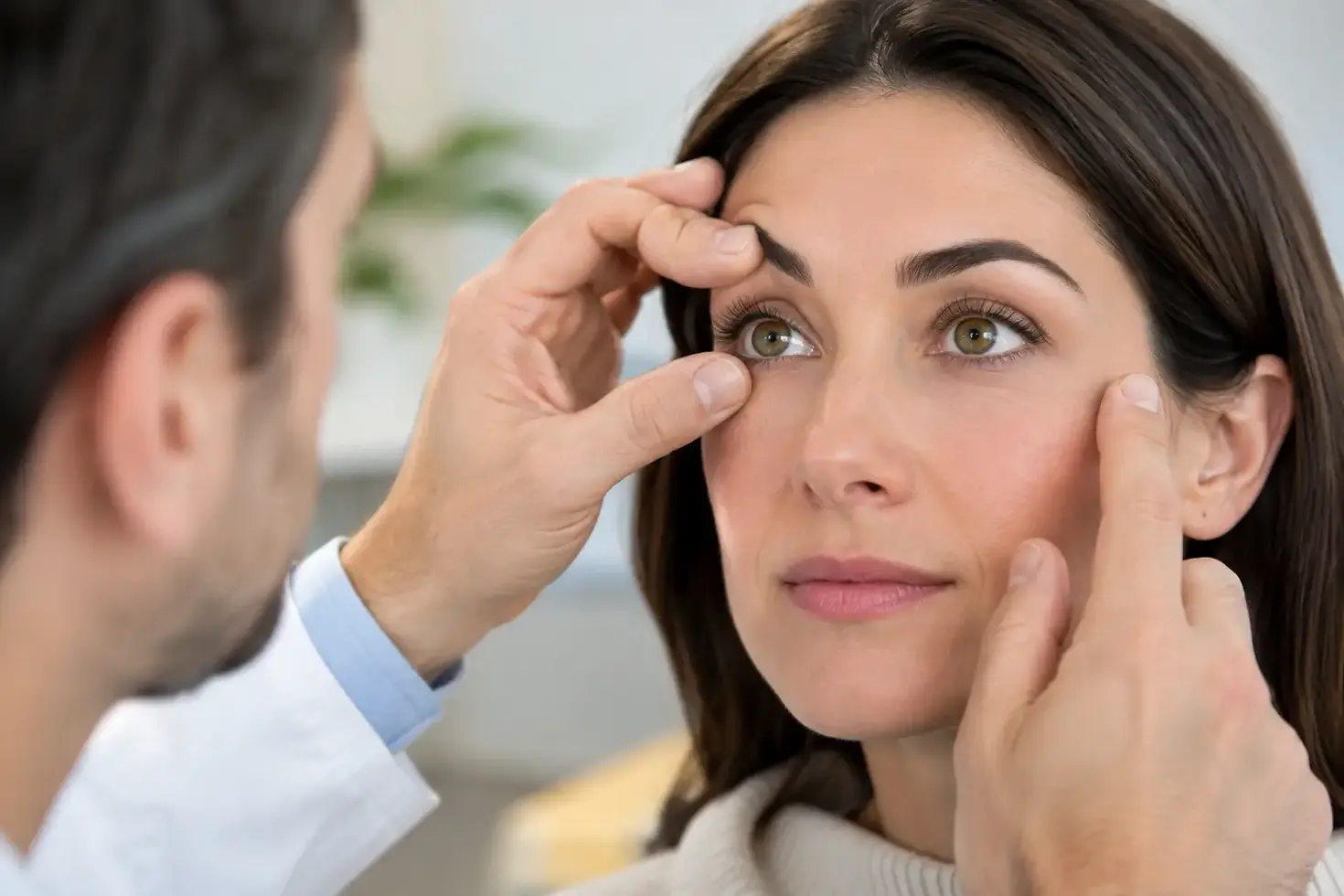
Your Functional Eyelid Evaluation Guide
When your upper lids begin to block the top or sides of your vision, the problem is not always simply “extra skin.” A thorough functional eyelid evaluation guide starts with that distinction because the correct treatment depends on whether the limitation comes from eyelid droop, excess upper-lid skin, a descending brow, or a combination of all three.
For many active adults, the symptoms show up gradually: raising the eyebrows to see clearly while driving, feeling forehead fatigue after screen time, tilting the chin upward, or noticing that glasses sit against heavy upper lids. The goal of an evaluation is to identify what is affecting vision and comfort, then recommend the most conservative procedure that restores a clearer field of view while preserving natural expression.
What Makes an Eyelid Concern Functional?
A functional eyelid concern is one that interferes with sight, daily activity, or eye comfort. Cosmetic concerns and functional concerns can overlap. Someone may dislike the tired appearance of heavy lids and also have enough tissue or lid descent to obstruct peripheral vision. However, the presence of a cosmetic concern does not automatically mean a procedure is medically necessary.
Functional treatment is generally considered when an eyelid or brow position creates documented visual-field impairment or meaningful symptoms. Insurance coverage, when available, depends on an individual plan's criteria, examination findings, photographs, and formal testing. A careful assessment should be clinical first, not based on a single photograph or an assumption that one procedure fits every heavy upper lid.
The Functional Eyelid Evaluation Guide: What Is Examined
An eyelid-focused surgeon evaluates the eyes as a working system. The lid margin, skin, brow, lashes, tear film, eye surface, muscle function, and facial anatomy all matter. This is especially important around the eye, where an overaggressive correction can create dryness, incomplete closure, an unnatural contour, or a surprised appearance.
Upper-lid skin excess
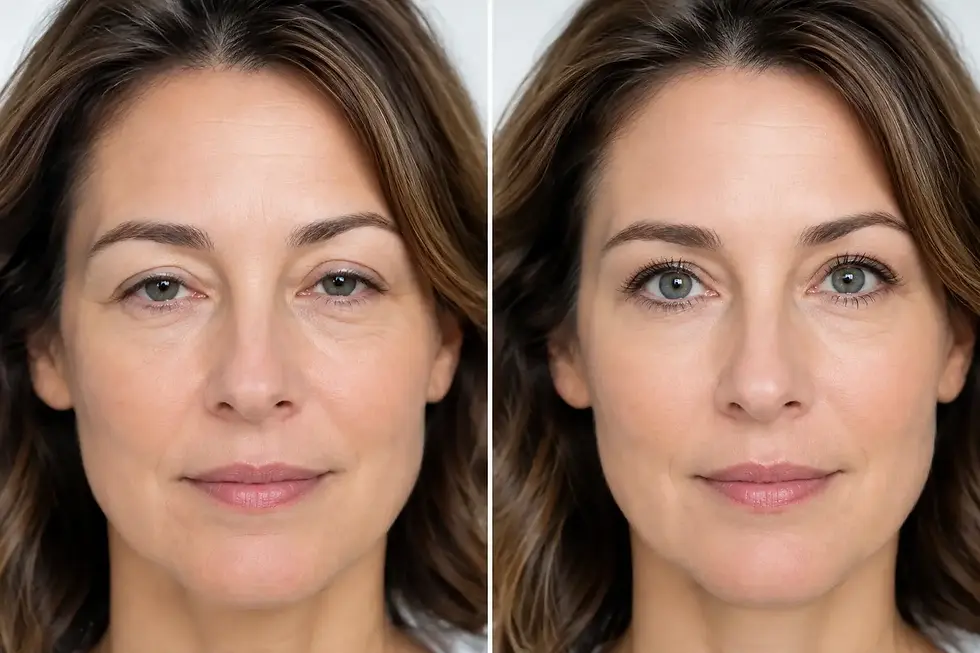
Dermatochalasis is the medical term for excess or lax upper-eyelid skin. It can fold over the lash line and narrow the superior visual field, particularly when looking ahead or upward. Upper blepharoplasty may remove and reshape selected skin and, when appropriate, protruding fat.
The key word is selected. Removing too much skin is not a better result. The surgeon must leave enough skin for comfortable closure and account for the patient's brow position, dry-eye history, and natural lid crease.
True eyelid droop
Ptosis means the eyelid margin itself sits too low over the eye. It is different from skin excess. A person can have ptosis with minimal excess skin, or ptosis can be hidden beneath hooding and become more obvious after skin is lifted.
During an examination, the surgeon measures lid height, compares both eyes, evaluates the lifting muscle, and looks for asymmetry. Ptosis repair addresses the eyelid's lifting mechanism rather than simply removing skin. In the right patient, treating only the skin may leave the visual obstruction and heavy appearance partly unresolved.
Brow descent
The brow supports the upper eyelid. As it descends with age, particularly along the outer brow, it can push skin downward and create a hooded appearance. Some patients subconsciously lift the brows throughout the day to compensate, leading to forehead tension or headaches.
Brow descent does not always require a brow procedure. Sometimes a conservative upper blepharoplasty provides the right improvement. In other cases, brow lifting or browpexy better addresses the source of the weight. The decision depends on brow anatomy, skin quality, symmetry, and the amount of elevation needed to improve function without changing the patient's character.
Eye health and surface comfort
A functional assessment should not focus only on the position of the lids. Dry eye, prior eye surgery, contact lens use, thyroid eye disease, facial nerve conditions, and medications can affect surgical planning. The surgeon also evaluates blink strength and how fully the eyelids close.
This step protects patients from an overly simplified plan. For example, a patient with significant dry eye may still be a candidate for surgery, but the amount of correction and recovery plan may need adjustment. Safety and visual comfort remain central to the recommendation.
How Visual-Field Testing Fits Into the Process
Visual-field testing measures what you can see above, beside, and below your direct line of sight. For functional upper-eyelid concerns, testing commonly compares your field of vision in a natural position and again with the upper-lid tissue or brow gently elevated.
A meaningful improvement with elevation can help document that the obstruction is mechanical rather than simply a perception of heaviness. Clinical photographs are also typically taken to show lid position, skin redundancy, brow location, and symmetry. These records may be needed for insurance authorization when a procedure is medically indicated.
Testing has limits. It does not replace a detailed examination, and insurance approval is never guaranteed. A strong evaluation brings the objective information together with your symptoms: difficulty seeing traffic lights, trouble reading signs on a trail, eye strain at work, or reduced side vision when driving.
Matching the Procedure to the Anatomy
The most appropriate treatment may be upper blepharoplasty, ptosis repair, brow lifting or browpexy, or a combination. A combined approach can be appropriate when more than one structure contributes to visual obstruction. It can also require more thoughtful planning, particularly when baseline asymmetry, dry eye, or prior surgery is present.
A conservative plan is often the most refined plan. The objective is not to create a dramatically different eyelid or erase every fold of skin. It is to improve the visual field and restore a rested, open appearance that still looks like you.
At Denver Eyelid Specialists, this analysis is performed through the lens of oculoplastic training: eye safety, eyelid mechanics, facial balance, and natural movement are considered together. That level of specialization matters when surgery is being planned millimeters from the eye.
Preparing for Your Evaluation
Bring your current eyeglasses, a list of medications and eye drops, and information about previous eye or facial surgery. Mention dry eye symptoms, contact lens intolerance, fluctuating vision, double vision, prior Botox or filler, and any history of trauma or neurologic conditions. These details can change the recommendation.
It is also useful to think about when your symptoms are most noticeable. Do your lids feel heavier late in the day? Do you lift your eyebrows in photographs? Have friends or family noticed a head tilt? Specific examples help connect the physical examination to the ways your eyelids affect everyday life.
If you are considering treatment for both functional and cosmetic reasons, say so openly. A precise discussion can clarify which part of the plan may qualify for insurance and which refinements would be elective. Transparent expectations are better than trying to force a cosmetic goal into a functional category.
Questions Worth Asking
Ask what structure is causing the obstruction, whether one or both sides are affected, and what may happen if only skin is removed. You should also understand the expected recovery, the possibility of residual asymmetry, dry-eye precautions, and whether your recommendation is intended to improve function, appearance, or both.
A qualified eyelid surgeon should explain the trade-offs in plain language. No two brows, eyes, or eyelids are perfectly identical before surgery, and the aim is improved balance rather than manufactured symmetry. The best result respects your anatomy and preserves the expression people recognize.
Clearer vision often begins with a more precise question: not “How much skin should be removed?” but “What is actually causing my lids to feel heavy?” A careful evaluation gives you the answer and a treatment plan built around your eyes, your function, and your face.

Comments