

Eyelid Rejuvenation Techniques That Look Natural
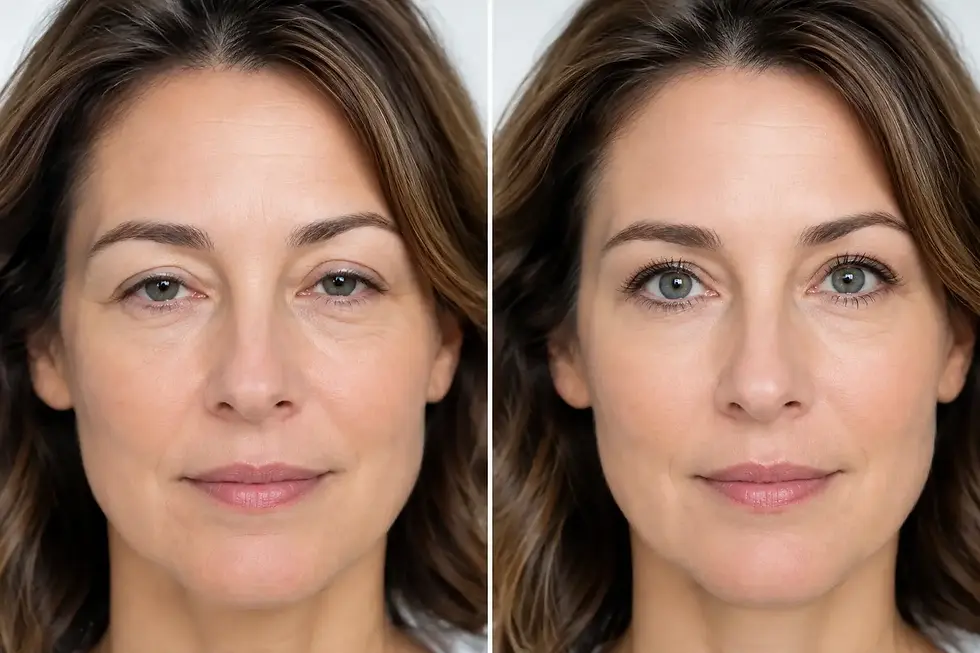
A tired appearance around the eyes is not always caused by excess skin alone. It may come from a low brow, true eyelid drooping, lower-lid fat prominence, skin laxity, or changes in cheek support. The best eyelid rejuvenation techniques begin with identifying which structures are creating the concern. That distinction is what helps produce a rested, natural-looking result rather than an over-tightened or visibly operated-on appearance.
For many active Denver-area adults, the goal is not to look different. It is to look more alert, less heavy, and more like themselves. Because the eyelids protect the eye and contribute so much to facial expression, treatment should be planned with equal attention to aesthetics, eyelid function, and ocular safety.
Why the Right Diagnosis Matters
The upper eyelid, brow, lower lid, and cheek work as one visual unit. A person may describe “heavy eyelids,” yet the primary issue may be brow descent. Someone else may see an upper-lid crease disappearing because of excess skin, while another has ptosis, meaning the eyelid margin itself sits too low over the eye.
These concerns can look similar in the mirror but require different treatment. Removing upper-lid skin from a patient whose brow is significantly low may not fully correct the heaviness and can create an unnatural relationship between the brow and eyelid. Conversely, treating a low brow alone will not correct ptosis when the eyelid margin is blocking vision.
A detailed evaluation examines eyelid height, skin quality, fat position, brow position, tear-film health, eye prominence, previous surgery, and facial proportions. This is especially important for patients with dry eyes, thyroid eye disease, prior LASIK, contact lens use, or a history of eyelid surgery. A fellowship-trained oculoplastic surgeon is trained to assess these variables in the context of both cosmetic goals and eye health.
Upper Eyelid Rejuvenation Techniques
Upper blepharoplasty for excess skin and fullness
Upper blepharoplasty removes or repositions carefully measured skin and, when appropriate, a conservative amount of fat. It can address hooding that makes the eyes look tired, obscures makeup application, or creates a heavy sensation at the end of the day.
The word “conservative” matters. Upper eyelid skin is not simply extra tissue. It is needed for normal eyelid closure, comfort, and a natural contour. Removing too much can lead to a hollow appearance, difficulty closing the eyes, or chronic dryness. The amount of skin removed should be tailored to the individual, not based on a one-size-fits-all crease or incision pattern.
For patients with functional visual obstruction, upper blepharoplasty may be medically indicated. Insurance coverage depends on documented examination findings and visual field testing, rather than on appearance alone.
Ptosis repair for a low eyelid margin
Ptosis repair treats drooping of the upper eyelid margin itself. This differs from a hooded lid caused by skin. Ptosis can make one or both eyes appear smaller, create forehead strain from constantly raising the brows, and reduce the superior field of vision.
During a ptosis evaluation, the surgeon measures eyelid height and levator muscle function, then considers the cause of the drooping. The appropriate repair varies based on eyelid anatomy, severity, prior surgery, and muscle strength. Achieving symmetry is a major goal, but eyelids are naturally dynamic and no two sides of the face are identical. Thoughtful preoperative counseling helps set realistic expectations.
Brow lift or browpexy for brow descent
When the eyebrow has descended, the skin beneath it can crowd the upper eyelid. A brow lift elevates the brow more substantially, while a browpexy is a more limited technique that can provide support in selected patients, often alongside upper blepharoplasty.
Not every patient with heavy upper lids needs brow surgery. The decision depends on brow position at rest, forehead compensation, hairline, skin quality, and the desired degree of change. The aim is not a surprised or over-arched brow. It is to restore a balanced frame for the eyes while preserving a patient’s character and expression.
Lower Eyelid Rejuvenation Techniques
Lower eyelid aging is often more complex than it appears. Under-eye bags may result from protruding orbital fat, but shadows, loose skin, pigment changes, cheek volume loss, and a prominent tear trough can all contribute. Treating only one feature may leave the underlying imbalance visible.
Lower blepharoplasty and fat repositioning
Lower blepharoplasty can address under-eye bags, puffiness, and excess skin. In many patients, lower-lid fat is repositioned rather than aggressively removed. This approach can soften the transition from the lower eyelid to the upper cheek and help avoid a hollowed appearance.
There are different surgical pathways. A transconjunctival approach is performed through the inside of the eyelid and may be appropriate when fat prominence is the main concern and skin quality is good. An external incision just below the lashes may be used when skin tightening or additional structural support is needed.
The lower eyelid requires particular precision because it is vulnerable to malposition if too much skin is removed or support is not properly addressed. Eye shape, lid laxity, cheek position, and prior procedures all influence the surgical plan. This is one reason lower eyelid surgery should not be treated as a routine skin-removal procedure.
Skin resurfacing and non-surgical options
Fine lines, crepey texture, and discoloration may improve with skin-focused treatments, such as laser resurfacing or carefully selected chemical peels. These treatments can complement surgery but do not remove true fat bags, lift a low eyelid margin, or correct significant skin excess.
Neuromodulators and fillers may also have a role in selected patients. A neuromodulator can soften certain expression lines, while filler can sometimes improve a hollow tear-trough area. However, filler around the eyes is not appropriate for everyone. In patients with existing puffiness, fluid retention, or thin skin, it can worsen the appearance or create prolonged swelling. Non-surgical treatment is not automatically the more conservative choice if it does not match the anatomy.
Choosing a Technique That Preserves Expression
The most successful eyelid surgery usually looks understated. Friends may notice that a patient appears rested, but not immediately identify why. That outcome comes from respecting the natural position of the lid, the curve of the crease, the relationship of the brow to the eye, and the balance between the lower lid and cheek.
Cultural features and individual anatomy should guide treatment. Asian eyelid surgery, for example, requires an understanding of crease formation, skin thickness, fat distribution, and the patient’s preferred eyelid appearance. Revision cases require even more caution because scar tissue, prior tissue removal, and altered support can change what is safely achievable.
At Denver Eyelid Specialists, this individualized approach is central to planning. An eyelid-focused evaluation can determine whether one procedure, a combined approach, or no surgery at all is the most appropriate path.
Recovery and Practical Expectations
Most patients have bruising and swelling after eyelid surgery, with the most noticeable portion often improving over the first one to two weeks. Residual swelling can take longer to settle, particularly in the lower eyelids. Final refinement develops gradually as tissues heal.
Recovery is more comfortable when patients can protect their schedule, use cold compresses as directed, keep the head elevated, and avoid strenuous activity until cleared. Contact lenses, eye makeup, outdoor exercise, and travel may need temporary adjustments. Colorado’s dry climate and sun exposure also make postoperative lubrication and sun protection especially relevant.
Surgery carries real risks, including dry eye symptoms, asymmetry, scarring, infection, bleeding, lid malposition, and the possibility of needing revision. Serious eye complications are uncommon, but the proximity to the eye makes careful technique and appropriate postoperative monitoring essential. A responsible consultation should address these risks clearly, along with expected downtime, cost, and whether a functional concern may qualify for insurance evaluation.
The right plan does not start with a procedure name. It starts with a careful look at why the eyes appear heavy, tired, or puffy - then chooses the least aggressive treatment that can create a balanced, durable, and recognizably natural result.

Comments